
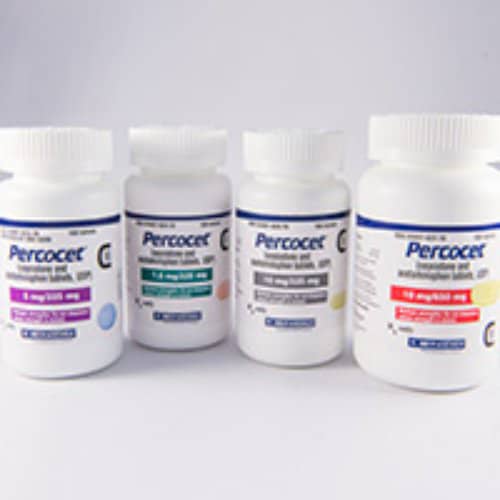
Introduction to Oxycodone/Acetaminophen Combination
Oxycodone/acetaminophen combination tablets represent a significant pharmaceutical intervention for managing severe acute pain when non-opioid alternatives prove inadequate. As a prescription medication containing both an opioid analgesic and a non-opioid pain reliever, this combination requires informed medical supervision and responsible usage protocols to balance therapeutic benefits against potential risks. Understanding this medication’s pharmacology, proper indications, and safety considerations is essential for both healthcare professionals and educated patients navigating pain management options.
Pharmacological Profile and Mechanism of Action
This medication combines two distinct analgesic components working through different pathways:
Oxycodone Component: As a semi-synthetic opioid agonist, oxycodone binds primarily to mu-opioid receptors in the central nervous system. This binding produces analgesic effects by modulating pain perception and emotional response to pain. The substance demonstrates approximately 1.5 times the potency of morphine when administered orally, with effects typically beginning within 15-30 minutes and peaking at approximately one hour.
Acetaminophen Component: Operating through central inhibition of prostaglandin synthesis, acetaminophen provides additional analgesic synergy while offering antipyretic properties. The combination allows for lower opioid dosing while maintaining analgesic efficacy, potentially reducing certain opioid-related side effects.
Approved Medical Indications and Clinical Applications
Oxycodone/acetaminophen is specifically indicated for the short-term management of acute pain severe enough to require opioid treatment when alternative treatments are insufficient. Clinical applications include:
-
Post-surgical pain management following significant procedures
-
Pain control following major traumatic injuries
-
Management of acute exacerbations in chronic pain conditions (with careful monitoring)
-
Cancer-related pain when other options are inadequate
It is crucial to recognize that this medication is not appropriate for mild or intermittent pain, nor as an as-needed medication for chronic pain conditions without comprehensive pain management planning. The limited duration of use is emphasized in clinical guidelines due to the risks associated with long-term opioid therapy and acetaminophen exposure.
Safety Considerations and Risk Mitigation
Opioid-Specific Risks
-
Respiratory Depression: The most serious acute risk, particularly at higher doses or when combined with other central nervous system depressants
-
Physical Dependence and Addiction Potential: Even with therapeutic use, physiological adaptation can occur, requiring careful tapering when discontinuing
-
Cognitive and Motor Impairment: Patients must avoid driving or operating machinery until effects are understood
-
Gastrointestinal Effects: Constipation, nausea, and vomiting are common and may require proactive management
Acetaminophen-Specific Risks
-
Hepatotoxicity: Serious liver damage may occur with excessive doses, with risk increasing substantially when exceeding 4,000mg daily
-
Drug Interactions: Numerous medications contain acetaminophen, creating potential for unintentional overdose
-
Alcohol Interaction: Concurrent alcohol use significantly increases hepatotoxicity risk
Responsible Usage Guidelines and Patient Education
Patients prescribed oxycodone/acetaminophen should receive comprehensive education covering:
-
Dosage Adherence: Strictly follow prescribed dosage and frequency without adjustment
-
Duration Limitations: Use only for the prescribed duration despite potential desire for continued therapy
-
Storage Security: Maintain in locked containers away from children, visitors, or household members
-
Disposal Protocol: Properly dispose of unused medication through approved take-back programs
-
Interaction Awareness: Disclose all medications, supplements, and substances to prescribers
-
Side Effect Recognition: Identify concerning symptoms requiring immediate medical attention
-
Tolerance Monitoring: Regularly assess effectiveness with healthcare providers
Conclusion: Balancing Pain Relief and Safety
Oxycodone/acetaminophen represents a powerful tool in the pain management arsenal when used appropriately under rigorous medical supervision. The balance between adequate pain control and medication risks requires ongoing assessment, patient education, and adherence to clinical guidelines. By understanding both the therapeutic potential and substantial risks associated with this medication, healthcare providers and informed patients can work collaboratively toward safe, effective pain management while minimizing potential harms.
For comprehensive information about responsible medication use, visit our educational homepage at Health Aid Pharmacy.










There are no reviews yet.