
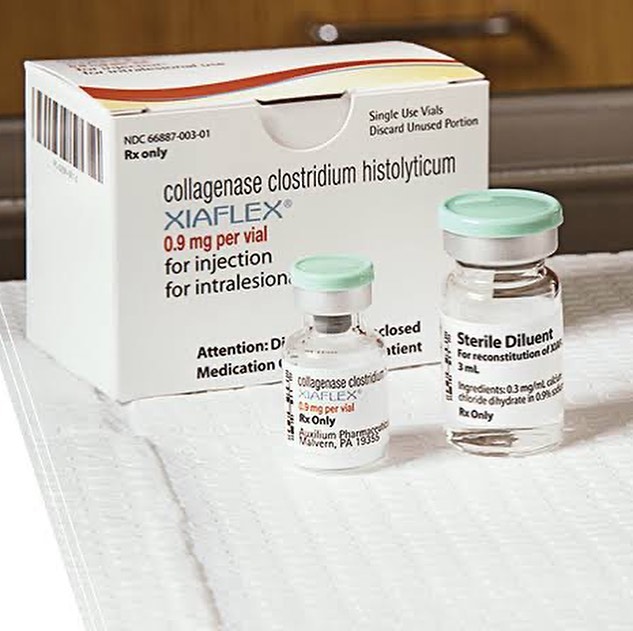
Understanding Xiaflex (Collagenase Clostridium Histolyticum) for Scientific Research
Xiaflex (collagenase clostridium histolyticum) represents a significant advancement in enzymatic research, offering precise collagen-targeting properties that have made it valuable for controlled laboratory studies. This injectable formulation contains highly purified microbial collagenases that selectively hydrolyze types I and III collagen—key structural components in connective tissues. For research institutions and biochemical laboratories, access to consistent, high-quality enzymatic agents like Xiaflex enables groundbreaking investigations into tissue remodeling, extracellular matrix dynamics, and therapeutic mechanisms.
The scientific community recognizes collagenase-based formulations as essential tools for studying physiological and pathological processes involving collagen accumulation. When utilized in controlled research environments, Xiaflex allows investigators to examine enzymatic disruption of collagen structures with unprecedented specificity. This targeted approach facilitates studies on cellular responses to extracellular matrix modification, potential therapeutic applications, and collagen-related physiological pathways.
Primary Research Applications Include:
-
Connective tissue matrix studies and collagen degradation mechanisms
-
Cellular response analysis to enzymatic microenvironment changes
-
Comparative efficacy assessments of collagen-targeting agents
-
Biochemical pathway investigations involving extracellular matrix remodeling
Technical Specifications and Research Protocol Considerations
Composition and Biochemical Properties
Xiaflex contains collagenase clostridium histolyticum as its active enzymatic component, with precise concentrations standardized for consistent research outcomes. The formulation maintains stability through optimized pH balance and excipient selection, ensuring reliable performance across experimental conditions. Each vial contains precisely measured enzymatic activity units, allowing researchers to standardize protocols and reproduce results with confidence.
Storage, Handling, and Stability Parameters
Proper storage at recommended temperatures (typically 2-8°C) preserves enzymatic activity throughout the product’s shelf life. Researchers should implement appropriate handling protocols to maintain sterility and biochemical integrity, including avoiding repeated freeze-thaw cycles and protecting from light exposure. When stored according to manufacturer specifications, the formulation maintains consistent activity levels, enabling longitudinal studies and comparative analyses.
Administration and Experimental Protocols
For research applications, precise administration techniques are essential for generating reliable data. Investigators utilize controlled delivery methods appropriate to their experimental models, with careful attention to concentration, volume, and application timing. Research protocols should incorporate appropriate controls, measurement intervals, and analytical methods to fully characterize outcomes while adhering to ethical research standards and institutional guidelines.
Research Benefits and Scientific Advantages
Xiaflex offers several distinct advantages for connective tissue research:
Specificity and Precision: The formulation’s targeted collagen hydrolysis allows researchers to isolate and study collagen-dependent processes without broadly affecting other tissue components. This specificity enables clearer mechanistic insights than less selective enzymatic agents.
Reproducibility: Standardized manufacturing and precise concentration measurements ensure consistent enzymatic activity across batches, supporting reproducible experimental outcomes essential for validating findings and building upon existing research.
Comparative Research Value: The established clinical profile of collagenase clostridium histolyticum allows researchers to correlate laboratory findings with clinical observations, potentially accelerating translational applications of basic science discoveries.
Safety and Ethical Research Practices
Responsible research with enzymatic agents requires comprehensive safety protocols and ethical considerations. Investigators should implement appropriate containment measures, personal protective equipment, and disposal procedures according to institutional biosafety guidelines. Research designs should prioritize minimization of experimental subject exposure while maximizing data quality through appropriate sample sizes and measurement techniques.
Documentation of protocols, outcomes, and safety measures strengthens research integrity and contributes to the broader scientific understanding of collagenase applications. Researchers should consult institutional review boards and biosafety committees when designing studies involving enzymatic agents to ensure compliance with ethical standards and regulatory frameworks.







There are no reviews yet.