Please enable cookies. You are unable to access iol.co.za Why have I been blocked? This website is using a security service to protect itself from online attacks. The action you just performed triggered the security solution. There are several actions that could trigger this block including submitting a certain word or phrase, a SQL command…
Spotify has spent the past year quietly removing tens of thousands of fake podcasts that were allegedly being used to promote illegal online pharmacies and scam websites. Now, a new congressional report is raising questions about how the scheme was able to flourish on one of the world’s largest audio platforms in the first place.…
Published [hour]:[minute] [AMPM] [timezone], [monthFull] [day], [year] DEERFIELD, Ill.–(BUSINESS WIRE)–Jun 11, 2026–As millions of fans travel to FIFA World Cup 2026™ matches in the U.S. this summer, Walgreens is making it easier to stay prepared, energized and healthy with convenient access to game-day essentials and trusted pharmacy services.Whether heading to the stadium or wrapping…
Friday, June 12, 2026 PCN logoThe Pharmacy Council of Nigeria on Thursday said it apprehended five persons for operating illegal premises in prohibited markets in Kano. The council’s head of enforcement, Suleiman Chiroma, made this known in a statement in Kano.Mr Chiroma said the arrests were made during an enforcement operation in Dalan Gyada and…
Acting on a complaint, the Vigilance team laid a trap and apprehended both individuals while they were allegedly accepting the money. The entire bribe amount was recovered and seized by the Vigilance team. Odisha arm-wrestling medal winner caught in Vigilance trap for accepting bribe Photograph: (OTV)In a major anti-corruption crackdown, the Vigilance Department on Tuesday…
China has unveiled new guidelines regulating online prescription drug sales, tightening oversight of real-name authentication, pharmacist accountability, and minors’ access to drugs.Released by the National Medical Products Administration (NMPA) on Monday, the guidelines mandate that online drug sales may only be completed upon presentation of a prescription issued by a licensed physician. Buyers must also…
A 35-year-old woman visited the clinic. She had been suffering with low energy for some time, and the symptoms were getting worse. Her GP had recommended an iron supplement that she bought from the pharmacy. She had been taking this for some time with little improvement and it made her very constipated, as many iron…
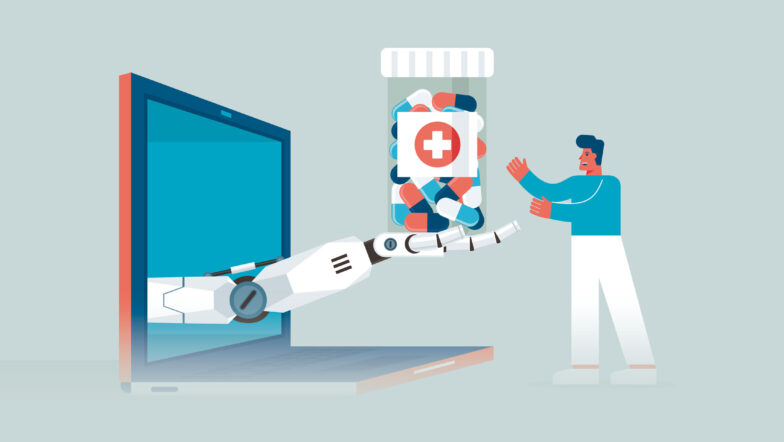
Buying-prescription-medications-online. Online healthcare services and digital pharmacies have become increasingly popular in recent years. In 2026, many people search online for prescription medication information, healthcare support, and convenient pharmacy-related services from the comfort of home.
While online access to healthcare resources may offer convenience and accessibility, it is important for patients to understand both the advantages and potential risks involved when researching prescription medications online.
At Health Aid Pharmacy, we believe education and patient awareness are essential for helping individuals make informed healthcare decisions and understand safe pharmacy practices.
Why More People Are Using Online Pharmacy Services
The growth of digital healthcare platforms has changed how many individuals access healthcare information and pharmacy support.
Common reasons people explore online pharmacy-related services include:
Convenience
Accessibility
Time-saving benefits
Educational medication resources
Wellness support information
Healthcare awareness
Many patients also appreciate being able to research medications and healthcare topics from home.
Understanding Prescription Medications
Prescription medications are treatments that should only be used under the guidance of licensed healthcare professionals. Different medications may be prescribed for various medical conditions, depending on a patient’s individual health needs and medical evaluation.
Some individuals may prefer researching healthcare topics privately online. Online access to educational information may help patients learn more about sensitive health topics in a comfortable environment.
Potential Disadvantages and Risks
Although online healthcare resources offer convenience, there are also important risks patients should understand.
Unverified Websites
Not all websites providing medication information are trustworthy. Some websites may:
Provide inaccurate information
Operate illegally
Sell counterfeit products
Ignore prescription requirements
Patients should be cautious when researching online medication-related services.
Counterfeit Medication Risks
Counterfeit medications are a serious global healthcare concern. Unsafe or fake products may:
Contain incorrect ingredients
Lack quality standards
Cause harmful side effects
Create health complications
Patients should only rely on licensed healthcare professionals and verified pharmacy resources.
Lack of Medical Supervision
Self-diagnosing or self-medicating without professional guidance may create serious health risks.
Prescription medications often require:
Medical evaluation
Dosage monitoring
Drug interaction review
Follow-up care
Healthcare professionals play an important role in patient safety.
Delayed Emergency Care
Relying only on online information without consulting a doctor may sometimes delay important medical treatment or diagnosis.
Patients experiencing severe symptoms should seek professional medical attention immediately.
How To Identify Trustworthy Online Pharmacy Resources
Patients should always verify healthcare websites carefully.
Look for Licensed Healthcare Information
Reliable websites usually provide:
Clear contact information
Professional healthcare content
Educational resources
Transparent policies
Avoid Unrealistic Claims
Be cautious of websites claiming:
Instant cures
Guaranteed results
No prescription needed for restricted medications
Extremely low prices that seem unrealistic
Healthcare information should always be balanced and medically responsible.
The Importance of Medication Safety
Medication safety remains one of the most important parts of responsible healthcare.
Patients should:
Follow prescription instructions carefully
Avoid sharing medications
Store medications safely
Discuss side effects with healthcare providers
Review possible interactions with a pharmacist or doctor
Educational awareness helps support safer treatment outcomes and responsible medication practices.
The Role of Pharmacists in Patient Education
Pharmacists play an important role in helping patients understand:
Medication usage
Safety precautions
Dosage guidance
Side effects
Drug interactions
Patient education helps individuals make more informed healthcare decisions while promoting responsible medication use.
Frequently Asked Questions About Buying Prescription Medications Online
Is it safe to buy prescription medications online?
Patients should always use caution and rely on trusted healthcare professionals and verified pharmacy resources.
Why is medical supervision important?
Healthcare providers help monitor treatment effectiveness, side effects, dosage needs, and medication safety.
What are counterfeit medications?
Counterfeit medications are fake or improperly manufactured products that may pose serious health risks.
Why should patients research medications carefully?
Understanding medications may help patients make safer and more informed healthcare decisions.
Healthy Online Healthcare Practices
When researching healthcare information online, patients should:
Buying prescription medications online has become a growing part of modern healthcare in 2026. While online healthcare resources may offer convenience, accessibility, and educational benefits, patients should also understand the importance of medication safety, professional medical guidance, and trustworthy healthcare information.
Responsible healthcare decisions begin with education, awareness, and communication with qualified healthcare providers.
For more educational healthcare resources, wellness support, and pharmacy-related information, visit Health Aid Pharmacy.
Maintaining a healthy weight is one of the most important parts of overall wellness. In 2026, more people are focusing on sustainable weight management strategies that support long-term health instead of quick fixes or temporary diets.
Weight management is not only about appearance — it also affects energy levels, mobility, heart health, sleep quality, mental wellbeing, and daily quality of life.
At Health Aid Pharmacy, we believe education and healthy lifestyle awareness are essential for helping individuals make informed wellness decisions and achieve realistic long-term goals.
What Is Weight Management?
Weight management refers to maintaining a healthy balance between nutrition, physical activity, metabolism, and lifestyle habits. A successful approach focuses on gradual, sustainable improvements instead of extreme dieting or rapid weight changes.
Healthy weight management may help support:
Better energy levels
Improved mobility
Heart health
Blood sugar balance
Better sleep quality
Joint support
Mental wellbeing
Every individual’s body and health goals are different, which is why personalized approaches are important.
Common Factors That Affect Weight
Many different factors may influence body weight and metabolism.
Nutrition Habits
Consuming high amounts of processed foods, sugary beverages, and excess calories may contribute to weight gain over time.
Physical Activity Levels
Sedentary lifestyles and limited daily movement can affect calorie balance and metabolism.
Sleep Patterns
Poor sleep habits may impact appetite hormones and energy levels.
Stress and Emotional Health
Stress may influence eating behaviors and overall wellness routines.
Medical Conditions
Certain health conditions and medications can also affect weight management.
Understanding these contributing factors can help individuals build healthier daily habits.
Healthy Nutrition Strategies for Weight Management
Balanced nutrition plays an important role in long-term wellness and healthy body weight support.
Focus on Whole Foods
Many healthcare professionals recommend diets rich in:
Fruits
Vegetables
Lean proteins
Whole grains
Healthy fats
These foods may help support energy, fullness, and nutritional balance.
Portion Awareness
Being mindful of portion sizes may help reduce excessive calorie intake while supporting healthier eating habits.
Hydration
Drinking enough water throughout the day supports overall body function and wellness.
Reducing Processed Foods
Limiting heavily processed foods and sugary snacks may support healthier long-term habits.
For more wellness education and lifestyle support resources, visit:
These medications should only be used under medical supervision and as part of a comprehensive wellness approach that includes healthy nutrition and lifestyle support.
Important Safety Considerations
Patients should always:
Follow professional medical guidance
Avoid self-adjusting dosages
Discuss possible side effects with healthcare providers
Use medications responsibly and legally
Maintain realistic wellness expectations
Educational awareness is essential for promoting safe healthcare practices.
Lifestyle Habits That Support Healthy Weight Management
Small daily habits may contribute to better long-term results.
Consistent Sleep
Sleep quality may influence metabolism, appetite, and recovery.
Stress Management
Managing stress through mindfulness, relaxation, or exercise may support healthier routines.
Meal Planning
Planning meals ahead of time may reduce unhealthy food choices and improve consistency.
Long-Term Mindset
Sustainable progress often comes from gradual healthy lifestyle improvements rather than extreme restrictions.
Why Sustainable Weight Management Matters
Quick-fix solutions and crash diets are often difficult to maintain long-term. Sustainable wellness strategies focus on building habits that support overall health instead of temporary results.
Benefits of healthy long-term weight management may include:
Better confidence
Increased mobility
Improved cardiovascular health
Better sleep and energy
Reduced daily fatigue
Enhanced quality of life
Healthcare professionals often recommend gradual lifestyle improvements that fit individual needs and routines.
Frequently Asked Questions About Weight Management
What is the best way to lose weight safely?
Most healthcare professionals recommend balanced nutrition, regular physical activity, healthy sleep habits, and sustainable lifestyle changes.
How important is exercise for weight management?
Exercise may support calorie balance, muscle strength, energy levels, and overall wellness.
Can stress affect body weight?
Stress may influence eating habits, sleep quality, and overall wellness behaviors.
Are weight management medications suitable for everyone?
Treatment approaches vary depending on individual health conditions and professional medical evaluation.
The Importance of Professional Guidance
Healthcare professionals can help individuals develop personalized wellness plans based on:
Health history
Lifestyle habits
Nutrition needs
Activity levels
Wellness goals
Working with qualified professionals may help improve both safety and long-term success.
Weight management in 2026 is about more than short-term dieting — it involves creating healthier habits that support long-term physical and mental wellbeing.
By focusing on balanced nutrition, regular movement, healthy routines, and professional guidance, individuals may improve their overall wellness and quality of life over time.
For more educational wellness resources, healthcare information, and lifestyle support, visit Health Aid Pharmacy.
Pain Management in 2026: Understanding Chronic Pain and Finding Relief
Living with chronic pain can affect every part of daily life — from work productivity and sleep quality to emotional wellbeing and mobility. Millions of people worldwide search for safe and effective pain management solutions every year, making it one of the most discussed healthcare topics today.
Whether pain is caused by injury, surgery, arthritis, nerve conditions, or long-term health issues, understanding modern pain management strategies can help patients make informed healthcare decisions and improve overall quality of life.
At Health Aid Pharmacy, we believe education plays an important role in helping patients better understand pain relief options, medication safety, and wellness support.
What Is Chronic Pain?
Chronic pain is generally defined as pain that lasts longer than 3 months. Unlike short-term pain that improves as the body heals, chronic pain may continue even after the original injury or condition has improved.
Common types of chronic pain include:
Back pain
Nerve pain
Joint pain
Arthritis-related discomfort
Fibromyalgia
Migraine headaches
Post-surgical pain
Musculoskeletal pain
Many people experience both physical and emotional effects from chronic pain, including stress, sleep disturbances, and reduced daily activity.
Common Causes of Pain
Pain can develop from many different conditions or lifestyle factors. Some of the most common causes include:
Injuries and Trauma
Sports injuries, workplace accidents, and physical trauma may lead to ongoing discomfort if not treated properly.
Nerve Damage
Conditions affecting the nervous system may cause burning, tingling, or shooting pain sensations.
Arthritis and Joint Conditions
Joint inflammation often contributes to stiffness, swelling, and mobility limitations.
Surgery Recovery
Post-operative discomfort may require short-term pain management strategies during healing.
Lifestyle Factors
Poor posture, lack of exercise, stress, and inadequate sleep can sometimes worsen pain symptoms over time.
Understanding Modern Pain Management
Pain management today involves a combination of medical guidance, lifestyle adjustments, physical therapies, and patient education.
The goal is not only to reduce discomfort but also to improve overall daily functioning and long-term wellness.
Non-Medication Pain Management Approaches
Many healthcare professionals recommend starting with non-invasive treatment strategies whenever appropriate.
Physical Activity
Regular low-impact movement may help improve flexibility and reduce stiffness.
Examples include:
Walking
Stretching
Swimming
Yoga
Physical therapy exercises
Sleep Optimization
Sleep and pain are closely connected. Poor sleep may increase pain sensitivity and fatigue.
Helpful habits include:
Maintaining a consistent sleep schedule
Reducing screen time before bed
Creating a comfortable sleep environment
Stress Management
Stress may contribute to muscle tension and increased pain perception.
Pain affects everyone differently. What works well for one person may not be effective for another.
Healthcare professionals often create individualized treatment plans based on:
Medical history
Pain severity
Lifestyle factors
Underlying health conditions
Treatment response
This personalized approach helps improve both safety and long-term treatment effectiveness.
Lifestyle Habits That May Support Better Pain Management
Making small lifestyle adjustments may contribute to improved comfort and daily function.
Healthy Nutrition
Balanced nutrition supports overall health and may help reduce inflammation.
Hydration
Staying hydrated supports muscle and joint function.
Regular Movement
Long periods of inactivity may worsen stiffness and discomfort.
Mental Wellness Support
Emotional wellbeing can influence physical pain experiences.
Frequently Asked Questions About Pain Management
What is the difference between acute and chronic pain?
Acute pain is temporary and usually related to injury or illness, while chronic pain lasts for extended periods and may continue beyond normal healing.
Can lifestyle changes help with pain management?
Many patients benefit from exercise, improved sleep habits, stress reduction, and physical therapy support.
Are prescription pain medications always necessary?
Treatment plans vary depending on the condition, pain severity, and medical evaluation.
Why is medication education important?
Understanding medications helps patients use treatments more safely and effectively.
Final Thoughts
Pain management is a growing healthcare priority in 2026, and patient education remains one of the most important tools for improving safety and quality of life.
Understanding treatment options, medication safety, and healthy lifestyle habits may help individuals make informed decisions while working alongside qualified healthcare professionals.
For more educational wellness resources, pharmacy updates, and healthcare information, visit Health Aid Pharmacy.