Understanding Ritalin: A Focused Overview for Research and Educational Inquiry
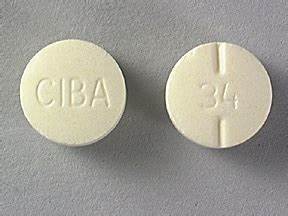
Ritalin, known generically as methylphenidate, is a central nervous system stimulant that has been the subject of extensive clinical study and research for decades. As a compound, it plays a significant role in academic and pharmacological research, particularly concerning cognitive function and attention regulation. This description aims to provide a comprehensive, factual overview for educational purposes, detailing its composition, mechanisms, and the responsible framework within which it should be examined.
What is Ritalin and How Does It Work?
Ritalin is the brand name for methylphenidate hydrochloride, a compound classified as a stimulant. From a research perspective, its primary mechanism of action involves the modulation of key neurotransmitters in the brain, namely dopamine and norepinephrine. It primarily works by inhibiting the reuptake of these neurotransmitters in the prefrontal cortex, a region associated with executive function, attention, and impulse control. This action increases the availability of these chemicals in the synaptic cleft, facilitating enhanced neuronal signaling. It is crucial to understand that this neurochemical effect is the foundation of its research applications, particularly in studies related to attention processes and cognitive behavioral models.
Benefits and Research Applications
In controlled research settings, the properties of methylphenidate allow scientists to explore a wide range of neurological and behavioral paradigms. Its primary research utility lies in its ability to serve as a reference compound in studies on attention, executive function, and cognitive enhancement. Researchers utilize it to better understand neurochemical pathways, compare pharmacological profiles, and develop deeper insights into attention-related challenges. The advantages of using a well-documented compound like Ritalin in research include its extensive history of clinical study, a well-understood pharmacokinetic profile, and a large body of existing literature for comparative analysis.
Composition, Safety, and Responsible Usage Considerations
The active pharmaceutical ingredient (API) in Ritalin is methylphenidate hydrochloride. Inert ingredients may include lactose, magnesium stearate, and other compendial excipients depending on the formulation. Safety is the paramount concern. This product is presented strictly for lawful research and educational analysis in appropriate facilities. It is not for human or animal consumption. Responsible handling involves adherence to all local, state, and federal regulations regarding controlled substances. Researchers must implement strict chain-of-custody protocols, secure storage, and detailed usage logs. Understanding the potential side effects—such as increased heart rate, blood pressure changes, appetite suppression, and potential nervousness—is essential for safe laboratory handling and risk assessment.
Longevity and Optimal Storage
To preserve the integrity of the compound for research, proper storage is non-negotiable. Ritalin should be stored in a cool, dry place, away from direct light and moisture, at controlled room temperature as specified. It must be kept in a securely locked, durable container to prevent unauthorized access or contamination. When stored under ideal conditions, the shelf life is typically extended for the duration required for most research protocols. Always verify the expiration date upon receipt and integrate it into your laboratory inventory management system.
Commitment to Trust and Research Integrity
Our mission is to support the academic and scientific community with reliable, high-quality materials for ethical research. We operate with transparency and a steadfast commitment to compliance. For researchers seeking a trusted source for pharmacological reference standards, we provide meticulously sourced compounds. We encourage all professionals to conduct their work within the strictest ethical and legal frameworks. Discover more about our commitment to research integrity and our full catalog of reference materials at our official portal, Health Aid Pharmacy.
This overview serves as an educational foundation. Always consult primary literature and regulatory guidelines for the most current information.



There are no reviews yet.