
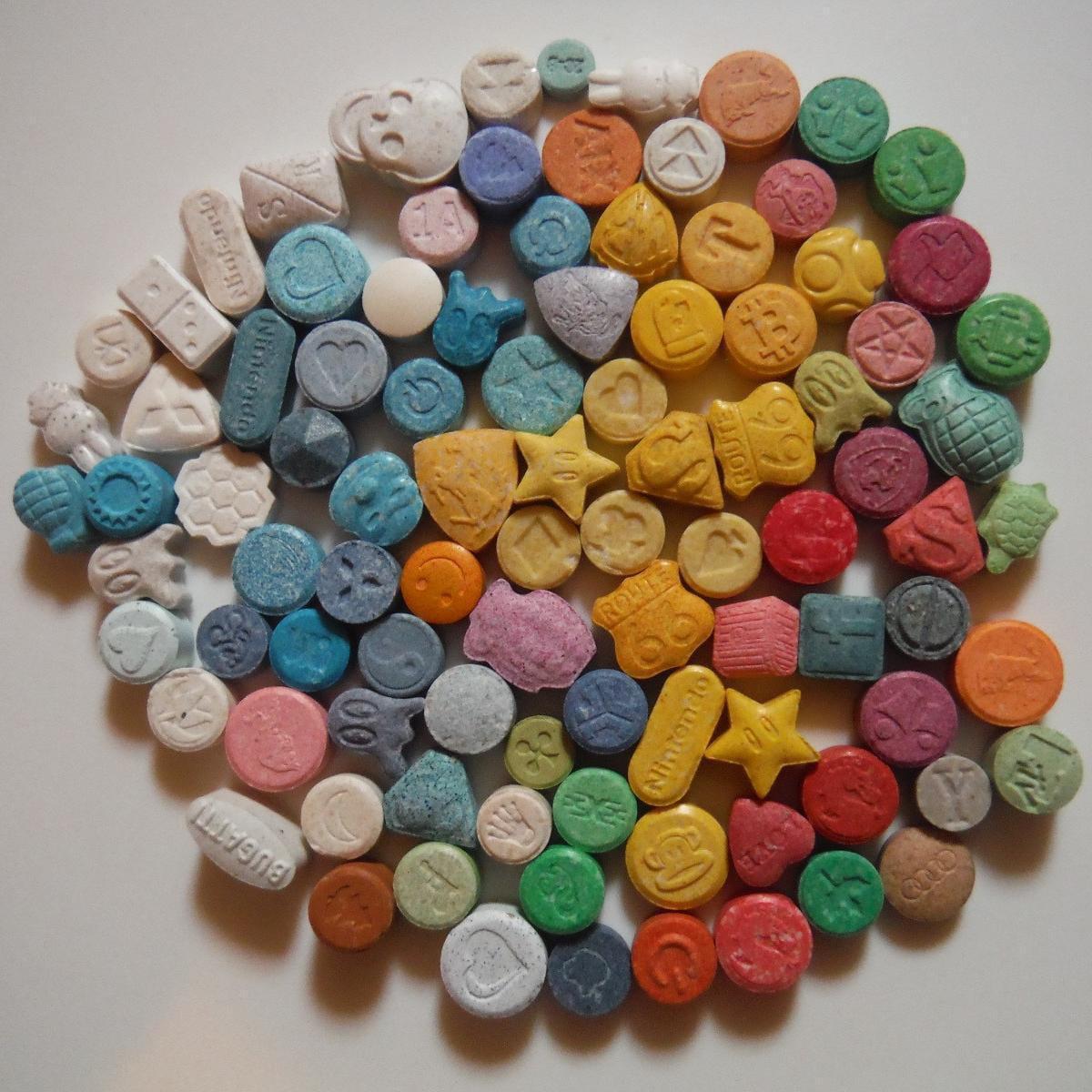
Product Description
MDMA (3,4-Methylenedioxymethamphetamine) represents a significant area of interest in contemporary psychopharmacological research. Often distinguished from classical psychedelics, this substituted amphetamine is primarily recognized for its distinctive empathogenic and prosocial pharmacological profile . For the qualified research community, MDMA offers a unique window into the neurochemistry of social behavior, emotional processing, and memory reconsolidation.
What is MDMA?
At its core, MDMA is a ring-substituted phenethylamine that acts as a potent releasing agent and reuptake inhibitor of monoamine neurotransmitters, with a particularly high affinity for the serotonin transporter (SERT) . Unlike classical psychedelics such as LSD or psilocybin, which exert their effects primarily via 5-HT2A receptor agonism, MDMA’s mechanism is distinct. It forces the release of pre-synaptic serotonin, dopamine, and norepinephrine, creating a neurochemical environment characterized by heightened emotional sensitivity and feelings of connectedness . For researchers, the molecule is typically handled as an off-white crystalline hydrochloride salt, ensuring stability and precise volumetric dosing for in-vitro and in-vivo studies.
How It Works in a Research Context
The primary mechanism of action for MDMA involves its interaction with monoamine transporters. It enters neurons via these transporters, specifically SERT, where it reverses their normal direction of flow, causing an efflux of neurotransmitters into the synaptic cleft . Recent advances in neuroscience, including “circuits-first” approaches, have demonstrated that MDMA’s prosocial effects are linked to serotonin release in the nucleus accumbens (NAc) and subsequent activation of the serotonin 1B receptor. Simultaneously, its stimulant properties are linked to dopamine release in the same region, although serotonergic activity via the 2C receptor appears to naturally limit the dopaminergic reward, suggesting a lower abuse liability compared to traditional stimulants like methamphetamine . This complex interaction makes MDMA an invaluable tool for studying the brain’s reward system and social circuitry.
Research Advantages and Applications
Current investigational uses for MDMA are primarily focused on its potential as an adjunct to psychotherapy in the treatment of post-traumatic stress disorder (PTSD), as well as anxiety in end-of-life care . For the laboratory setting, MDMA allows scientists to model the neurobiological underpinnings of these conditions. Furthermore, emerging research suggests that intermittent administration of MDMA may have a modulatory effect on neuroinflammation, with studies indicating it could mitigate demyelination in specific brain regions via the gut-brain axis—a novel area of exploration for neurodegenerative disease models . By studying MDMA, researchers can better understand the role of the gut microbiota in mediating central nervous system effects.
Safety and Responsible Handling Considerations
As a licensed research chemical supplier, we emphasize that our MDMA is strictly for laboratory and research purposes only and is not intended for human consumption. Handling should be confined to controlled environments by trained personnel. MDMA is toxic if swallowed, inhaled, or in contact with skin, and is classified with GHS hazard statements H301, H311, and H331 . Researchers must be aware of potential drug-drug interactions, particularly with monoamine oxidase inhibitors (MAOIs) and selective serotonin reuptake inhibitors (SSRIs), as these can potentiate effects or lead to serotonin toxicity . Always consult the Safety Data Sheet (SDS) prior to use.
Longevity and Storage Life
To maintain chemical integrity and ensure reproducible experimental results, proper storage of MDMA is critical. The compound should be stored in a cool, dry environment at room temperature, typically between 15°C to 25°C (59°F to 77°F). Due to its nature as a controlled substance in many jurisdictions, it must be kept in a securely locked, limited-access safe or cabinet, protected from light, moisture, and theft . When stored in its original, undamaged packaging under these conditions, the hydrochloride salt exhibits excellent stability, with a standard shelf life of 24 to 36 months.
Composition and Purity
Our pharmaceutical-grade MDMA is offered as the racemic mixture, containing both the (R)- and (S)-enantiomers. It is important to note that the (R)-enantiomer persists in biological samples longer than its (S) counterpart, a factor that must be accounted for in pharmacokinetic studies . The material is tested for purity using standardized analytical methods to ensure the absence of adulterants common in non-pharmaceutical sources, providing a reliable baseline for experimental data.
Usage Areas for Research Purposes
MDMA is utilized across a spectrum of scientific disciplines. In behavioral neuroscience, it is used to study social interaction and fear extinction. In medicinal chemistry, it serves as a scaffold for developing novel entactogens with refined pharmacological profiles . To explore our full catalog of research chemicals and pharmaceutical intermediates, please visit Post Health Aid Pharmacy. For those requiring specialized analytical reference standards, a comprehensive library is available through our partner network .




There are no reviews yet.