
The growing popularity of GLP-1 weight-loss medications is beginning to change more than the prescription-drug market. It is also changing what consumers see and buy when they walk into a pharmacy.
Our recent report on the growing competition in the U.S. GLP-1 market provides additional background on these rapidly changing treatments.
A new report from Reuters highlights how consumer-health company Haleon is working with U.S. retailers, including CVS Pharmacy, to reach people taking GLP-1 medications. The company is placing products intended to help address common medication-related symptoms in dedicated GLP-1 sections as well as in their traditional store locations.
The development provides a look at how the rapid growth of weight-management medications is influencing the broader pharmacy and consumer-health industry.
Why Are Pharmacies Creating GLP-1 Sections?
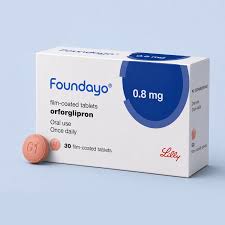
GLP-1 medications such as Wegovy, Zepbound and Foundayo have become an increasingly important part of the U.S. weight-management market.
These medications can affect appetite and digestion, and some patients experience gastrointestinal symptoms during treatment. Reported side effects can include nausea, vomiting, constipation, diarrhea, abdominal discomfort and stomach cramps.
As more people use these medications, retailers are recognizing an opportunity to organize related over-the-counter products in ways that make them easier for customers to find.
According to Reuters, Haleon said its strategy of placing products both in regular aisles and in dedicated GLP-1 sections generated an average 24% increase in sales per store during the first quarter.
CVS Is Expanding Its Product Selection
CVS Pharmacy is one of the retailers involved in this changing approach.
Reuters reported that CVS has expanded its product assortment and is highlighting both CVS-brand and national-brand over-the-counter products intended to help customers manage side effects associated with GLP-1 medications.
This represents a broader change in how pharmacies may serve patients taking weight-management medications.
Instead of treating the prescription as the only part of the customer’s experience, pharmacies and retailers are increasingly considering the additional products and information patients may seek during treatment.
What Does This Mean for Patients?
For patients, dedicated sections may make it easier to locate products that address common symptoms.
However, patients should not automatically assume that an over-the-counter product is appropriate simply because it is displayed near GLP-1 medications.
Before taking an additional medication or supplement, patients should consider:
- Whether it is appropriate for their symptoms
- Whether it could interact with another medication
- Whether the symptoms require medical attention
- How long the symptoms have lasted
- Whether their healthcare professional should be contacted
Persistent or severe symptoms should be discussed with a qualified healthcare professional rather than simply treated with an over-the-counter product.
The GLP-1 Market Is Affecting the Broader Pharmacy Industry
The changes happening inside pharmacies illustrate how significant the GLP-1 market has become.
The medications are no longer simply a category of prescription treatments. Their growing use is influencing demand for other healthcare products, pharmacy services and consumer-health products.
Reuters reported that Haleon has also discussed its GLP-1 retail strategy with Walmart and Target, although the company did not disclose the outcome of those discussions.
If the use of GLP-1 medications continues to grow, pharmacies may increasingly adapt their product selection, educational materials and patient-support services around the needs of people using these treatments.
GLP-1 Medications Require Professional Guidance
Despite the growing availability of products aimed at GLP-1 users, patients should remember that these medications are prescription treatments.
Patients should follow their prescribed dosing instructions and communicate with their healthcare professional about significant side effects, other medications they take, and any concerns that develop during treatment.
People should also be cautious when purchasing prescription GLP-1 medications online. Patients can learn more about how to safely buy prescription medications online before choosing an online pharmacy.
A legitimate pharmacy should provide clear information about its services. Our guide on choosing an online pharmacy explains additional factors patients should consider when evaluating an online pharmacy.
A Changing Role for Pharmacies
The expansion of GLP-1-related products demonstrates how the role of the modern pharmacy is changing.
As new medications become more widely used, pharmacies are increasingly responding not only to the prescriptions themselves but also to the everyday needs of patients using them.
For consumers, this makes reliable medication information and professional pharmacy guidance increasingly important.
The GLP-1 market is still developing, and the way pharmacies respond may continue to change as more patients begin treatment and pharmaceutical companies introduce additional products.
Conclusion
The growing popularity of GLP-1 weight-loss medications is creating effects that extend beyond prescription sales. Retail pharmacies are adapting their product selections and store layouts to address the needs of consumers using these treatments.
The strategy reported by Reuters involving Haleon and CVS provides an example of how the expanding GLP-1 market is influencing the wider consumer-health industry.
For patients, the most important consideration remains safe and informed medication use. GLP-1 medications should be used under appropriate medical supervision, and patients should seek professional advice when side effects are severe, persistent or concerning.
News source: Reuters — September 16, 2026